
5 Foods To Prevent Stroke and Heart Attacks
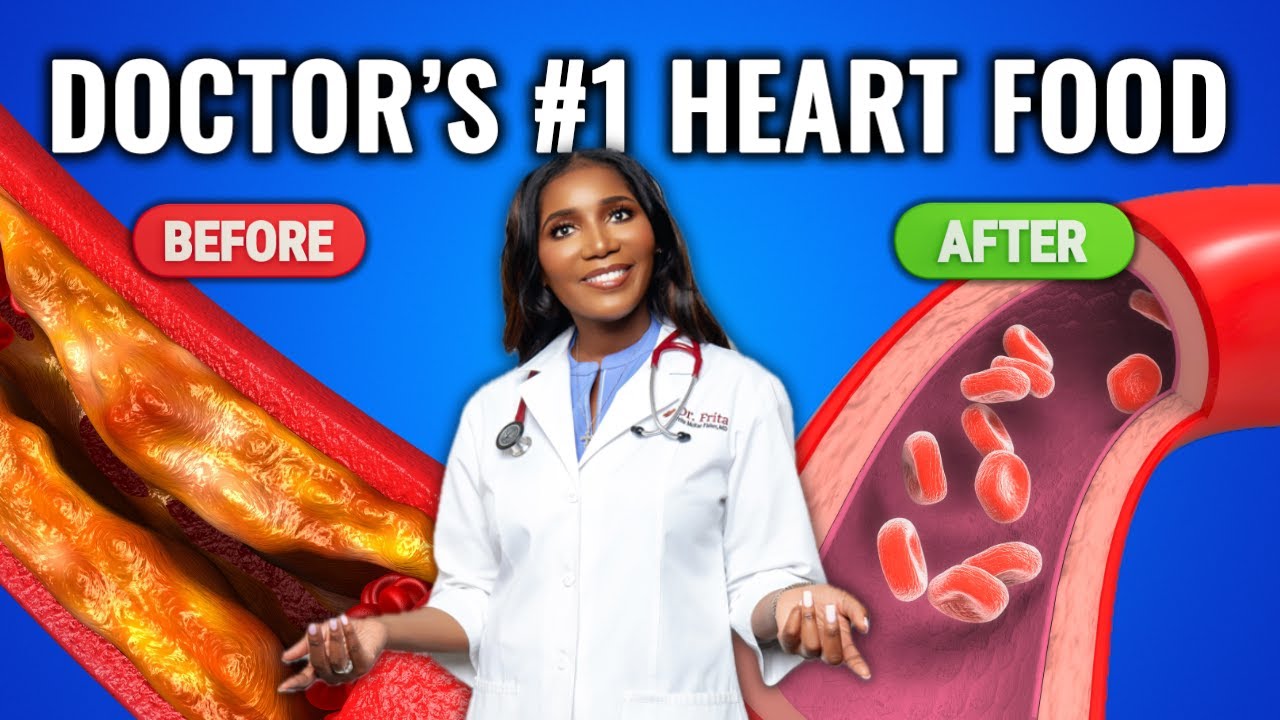
Simple, Doctor-Recommended Foods That Keep Your Heart and Brain Healthy
What if I told you that certain foods could start protecting your heart and brain within just a few hours of eating them? These superfoods can actually lower your blood pressure and help to protect you against having a heart attack or a stroke. It's true.
Strokes and heart attacks are the leading cause of death in the United States, and high blood pressure is a huge contributor because it silently damages your arteries over time. The good news is that nutrition plays a massive role in prevention.

Today, I'm giving you the top five evidence-based foods that can have immediate measurable effects on your heart health. And I'm not just talking about long-term effects. No, these foods can actually start working within two to six hours of consumption.
I was careful in selecting these foods to prevent stroke and heart attacks because these are everyday foods that I actually use for myself. I didn't run off and find the most expensive, most esoteric foods. These are things that you can find in the grocery store. These are everyday foods that are not super duper expensive.
Top 5 Foods To Prevent Stroke and Heart Attacks
Below are my top five heart-healthy foods that help control high blood pressure, cholesterol, and other risk factors contributing to life-threatening heart conditions. I'm going to do a countdown. I'll start with number five, and then I will count down to my ultimate number one best food to prevent strokes and heart attacks.
5. Extra Virgin Olive Oil (Cold‑Pressed)
Let me tell you, this is absolutely my everyday go-to. Olive oil is so important for heart and vascular health because what it does is that it helps to prevent the oxidation of bad cholesterol, the LDL cholesterol. And so in effect, what it does is it acts almost like a polish to your blood vessels to keep them from building plaques, these sticky plaques. So it's really great to have.
You can use olive oil in many ways. I definitely recommend that you use cold-pressed high polyphenol olive oil for the best result, and I incorporate it in my cooking. Whether I am cooking myself a little egg for protein, I put olive oil in there. If I have a salad, like a spinach salad or a kale salad, I'll use two or three tablespoons of olive oil. I definitely find a way to have it in my diet every single day.

We have great evidence to support the fact that olive oil is good for a healthy heart. There was actually a trial, you should look it up, the PREDIMED trial, and it demonstrated that people who incorporated olive oil into their diet, in many cases, had a 30% reduction in heart disease. So make sure when you're in the grocery store, you stock up on olive oil and incorporate it into your daily diet to help prevent strokes and heart attacks.
4. Dark Chocolate (80% Cocoa or Higher)
You're not going to believe this one. Dark chocolate. Oh yeah, I'm very serious. Dark chocolate is not just a dessert when you have dark chocolate. It actually has antioxidants and flavanols that can help your arteries to relax. Yes, this delicious treat is like a spa day for your arteries, helping them to unwind and improve vascular flow, and the effects can actually kick in within hours.
Here's what's important. You want to be sure that you purchase dark chocolate that has at least 80% cocoa. You want it to be very dark because that's what's going to give you the most antioxidants and the heart-healthy benefits. And yes, we have studies to show that this dark chocolate, if you eat a square or two a day, it can actually help to prevent major cardiovascular issues. It can also help with your arterial flow.
Here's the other key. You don't want to use milk chocolate. No, no, no. Milk chocolate won't do the trick. It's high in sugar and it's low in flavanols. It's very specifically dark chocolate. So yes, you could eat a couple of squares a day, or you can get some dark chocolate, 80% or higher cocoa powder, and just add a teaspoon to your coffee. Whatever you do, do yourself this favor and incorporate dark chocolate into your diet to help with your cardiovascular health.
3. Wild‑Caught Salmon
Wild-caught salmon is a wonderful food to help prevent heart attacks and strokes. You see, salmon is filled with omega-3s, and we know that omega-3s help to reduce inflammation. They help to lower your triglycerides, and they actually help you to maintain a normal heart rhythm. I want you to think of the omega-3s that you can find in wild-caught salmon like the motor oil for your heart. It helps to keep your heart running smoothly and quietly.
Now, there have been multiple studies over the years showing us that omega-3s are great for preventing acute cardiovascular conditions. There have been studies published in journals like JAMA, the Journal of the American Medical Association, and in these studies they find that having diets with foods high in fish that are loaded with omega-3s can help to reduce the risk of having a heart attack by as much as 20 to 30%. That's highly significant.

So salmon is my food of choice. Wild-caught salmon as far as getting my omega-3s to help with my heart health. There are also other alternatives, like sardines. You don't want to get the sardines that are loaded with salt, but if you can get fresh sardines, they also are loaded with omega-3s. Also, a plant-based option. Flaxseed oil, yes, incorporate flaxseed oil, and that's another way to help to reduce your heart risks.
For me, I eat my salmon grilled, or I'll eat it baked. I'll use my air fryer. That's actually very convenient. One of my favorite ways, and I'll definitely incorporate it with other things like kale, spinach, things of that nature, but definitely wild-caught salmon is a great food choice to prevent acute cardiovascular episodes.
2. Spinach (Dark Leafy Greens)
Spinach and other dark leafy green vegetables are essential for a healthy diet. I love spinach because it's so easy, so healthy, and it has been proven to help to improve your overall heart health, which, of course, can help to prevent your risk of strokes and heart attacks.
Spinach is loaded with nitrates, which can help to dilate your blood vessels. It's loaded with potassium and magnesium. We know that these can help to lower your blood pressure naturally, and spinach is just really so easy. It's accessible, and you can incorporate it in all kinds of ways in your diet. I want you to think about spinach like a lubricant for your circulatory system that helps to keep things running smoothly.
If you don't love spinach, I hope you love some leafy green vegetable, like kale, arugula, or Swiss chard, because all of these are going to be great for helping to relax your blood vessels and to reduce your risk of heart attacks and strokes. We have the research to support it. Multiple research studies have shown us that eating spinach can help to relax your blood vessels. It can also help to relax your arteries within just 24 hours of ingesting it. That's pretty quick, right?

How do I incorporate it? I definitely put spinach in my salads, and then I'll drizzle some olive oil, perhaps put a little salmon on there. You can also put spinach in your smoothies. I love putting spinach in my smoothies, so I'll use other foods that are high in antioxidants, like strawberries and blueberries. I'll use a little almond milk sometimes, and then I'll add spinach. You can hardly taste it, but you're still getting those heart-healthy benefits.
The other thing about spinach and some other dark leafy green vegetables is that they have chlorophyll, which helps your liver, and it helps your kidneys to detox your body naturally. I did mention that spinach has potassium, and we know that the more potassium you take in, the more salt you get rid of from your kidneys through your urine, and that helps you to lower your blood pressure naturally.
1. Beets (Beetroot or Beet Juice)
This is my number one, top food to help prevent heart attacks and strokes. Beets, I'm so serious. Beet root, beet juice. This is wonderful for helping to reduce the risk of cardiovascular events. Let me tell you why.
Beets are loaded down with nitrates. Your body converts nitrates to nitric oxide. Nitric oxide helps your blood vessels to relax, dilate, and improve flow. So you can think of beets, kind of like an air pump for your arteries. It helps them to widen and relax, and it can actually help to prevent serious heart and blood vessel conditions.
There was a 2013 study in the Journal of Hypertension that showed that daily use of beet juice could actually help lower blood pressure within just a few hours. Let me tell you, I have seen this myself, not only in my patients, but look, let me just share this personal story with you.
I thankfully actually do not have high blood pressure, but I still love beets. I love beets because not only are they good for your blood pressure, they're good for heart health, they're good for stroke prevention, and they're also good for increasing oxygen consumption when you're an athlete trying to work out. And so I have a wonderful beet juice recipe, and when I first tried it out, I loved it so much that I kind of overindulged. I literally probably had like two liters of that beet juice in one day. I don't recommend drinking that much at one time, but I did.
And then I went to work to see patients in my office. Well, while I was there, I started feeling a little lightheaded, and I'm like, why am I feeling lightheaded? And so I had my office manager check my blood pressure, and I'll be doggone, my blood pressure was actually too low. I was hypotensive. So you know, I was able to drink a lot of water, actually ate a little something to bring my blood pressure up, and I was fine. And so I was like, oh my gosh, this beet juice has lowered my blood pressure within hours!
I advise my patients with high blood pressure to make that same beet juice, to add beets to their salads, or to just wash them and eat beets. Just raw. Just enjoy your beets. My point is not only do we have clinical research to show us that beets can help to lower your blood pressure, which of course can be great for your heart health and for stroke prevention, I see it in my patients, and I've actually seen it in myself.
Conclusion
So there you have it. I have shared with you some of my personal favorites and clinically proven foods to help prevent strokes and heart attacks. Whether it is olive oil, dark chocolate, salmon, spinach, or beets, any of these foods can help with your cardiovascular function. But make sure that you consult with your doctor and your registered dietician because again, before you make any major change in your diet, you want to make sure that there's nothing in the foods that can actually be harmful to your health.
These dietary choices align with a Mediterranean diet approach, which emphasizes fruit and vegetables, healthy fats, and omega-3-rich fish. By reducing saturated fat intake and focusing on these heart-healthy foods, you can address key risk factors like high cholesterol and high blood pressure that contribute to stroke risk and heart disease.
I appreciate you for your support, and as always, I will continue to give you evidence-based information. Do your best to live your healthiest, happiest life.
Ready to take control of your heart health? Share this article with someone you care about and leave a comment below telling me which of these five foods you're most excited to try this week.

Not only is she the founder and president of a successful nephrology practice (Midtown Atlanta Nephrology, P.C.) and the medical director of a non-profit dialysis unit (DCI), but she has also made it her mission to provide accessible medical advice to everyone. With over half a million subscribers on her YouTube channel, appearances on popular television shows like HLN Weekend Express and Fox News Live, and the Emmy Award Winning Paternity Court, Dr. Frita is dedicated to helping people understand their health with ease.
Additionally, she has been an active board member of the National Kidney Foundation since 2014 and the author of Under Pressure - A Guide to Controlling High Blood Pressure; not to mention her Healthy Happy Life Podcast!
Truly dedicated to helping others learn more about their health, Dr. Frita continues her mission to educate individuals about living their happiest and healthiest lives.
- How To Clear Blocked Arteries Without Surgery - November 10, 2026
- 7 Lisinopril Side Effects Every Blood Pressure Patient Should Know - November 10, 2026
- 5 Heart Failure Symptoms Most People Confuse With Getting Old [No. 4 Is Sneaky] - October 21, 2026