
Endometriosis vs PCOS: 5 Signs Your Period Pain Isn’t “Just Cramps”
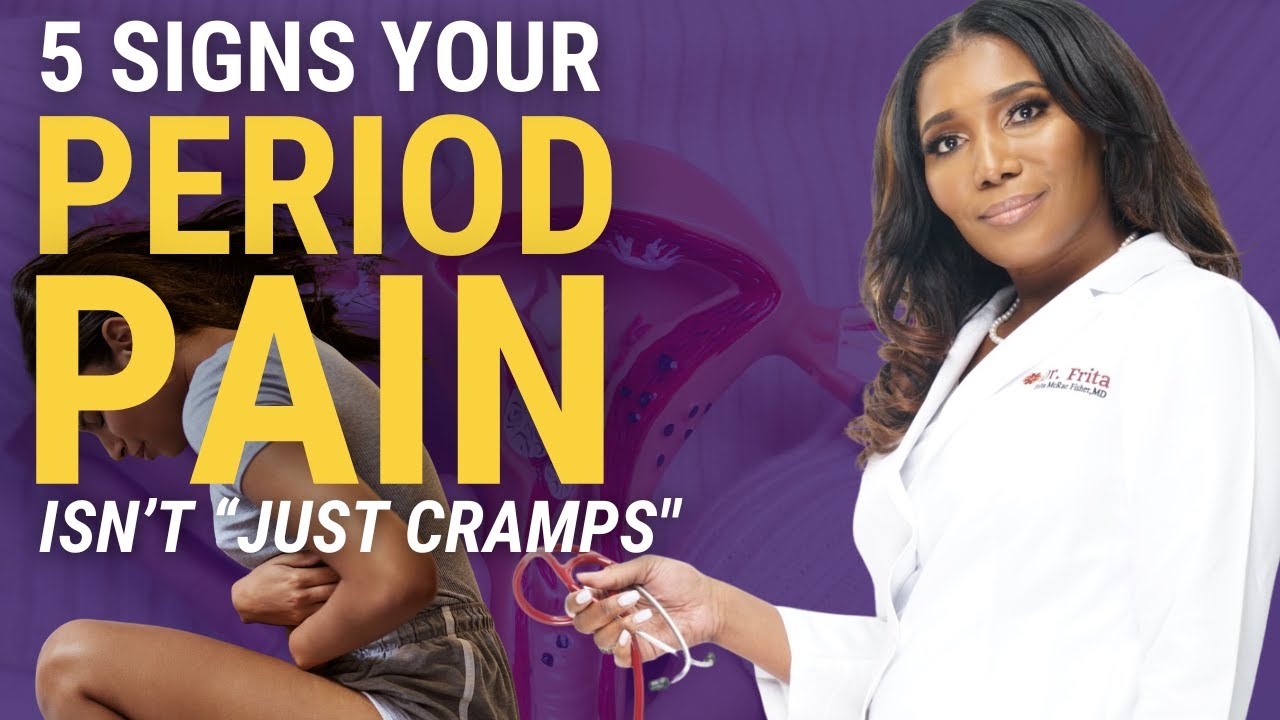
Endometriosis and Polycystic Ovary Syndrome (PCOS)
Have you ever had cramps that are so severe that they leave you doubling over in pain? Or are your periods all over the place and quite frankly, unpredictable? If so, then chances are you've been told that what you're experiencing is just cramps or that it's normal. But the truth of the matter is that if you are experiencing these symptoms, you might actually have a condition. You could have endometriosis or PCOS (polycystic ovary syndrome), or in rare cases, you could have both.
Many women of childbearing age experience all types of symptoms that should lead to the diagnosis of PCOS or endometriosis, but sometimes they are just overlooked, misdiagnosed, or ignored completely. PCOS and Endometriosis are two very different diagnoses. What they have in common is that they occur in young women of childbearing age, usually between the ages of 15 and 44, and they are very much related to the menstrual cycle.
With endometriosis, it's a matter of the tissue being in the wrong place. Normally, the lining of the uterus, or endometrium, is inside your uterus. Endometriosis occurs when that endometrial tissue grows outside the uterus. It can be in your fallopian tubes, your ovary, or your intestines.

With PCOS, we're talking about a hormone imbalance. Women with PCOS have abnormally high levels of androgens or testosterone. This can lead to abnormal ovulation. So normally when women ovulate, the ovary will release an egg, and if the egg is not fertilized, then menstruation will occur. That's when you get your period. With PCOS, there is an abnormality in ovulation, and oftentimes women develop multiple ovarian cysts. And with PCOS, women will often get insulin insensitivity, so that increases their risk for diabetes.
Both endometriosis and PCOS can lead to problems with fertility and infertility. In this article, I'm going to give you 5 signs of endometriosis vs PCOS.
5 Signs Your Pain Could Be Endometriosis
Remember, endometriosis is when the endometrial tissue is in the wrong place; it's when the uterine lining grows outside of the uterus and on other tissues, causing chronic pain and inflammation. If you're having severe pelvic pain that persists or is getting worse, especially if it doesn't respond well to over-the-counter meds, it's time to see a doctor. Here are five key endometriosis symptoms:
- Debilitating menstrual cramps that don't respond to typical pain relievers.
- Chronic pelvic pain in the lower abdomen or back that is continuous.
- Pain during or after intercourse.
- Painful bowel movements or urination, which can be chronic.
- Heavy bleeding, periods lasting more than seven days, or passing large blood clots.

1. Severe Menstrual Cramps
I'm talking about debilitating pain, severe cramps to the point where routine over-the-counter medications like ibuprofen and acetaminophen don't work. I have seen a lot of patients with endometriosis because when they start taking really, really high doses of NSAIDs for severe menstrual cramps, it can actually lead to CKD or chronic kidney disease. Yes, it's really that serious.
2. Chronic Pelvic Pain
We're talking about pain in the lower abdomen or even the lower back. And this pelvic pain is not just pain that occurs during your actual menstrual cycle; we're talking about pain that is continuous. Because again, when you have endometriosis, you have that endometrial tissue, that uterine lining that's all over the abdomen - it can be anywhere on any organ, and so you have chronic inflammation everywhere, and it can definitely lead to chronic pelvic pain.
3. Pain During or After Intercourse
Now, you know that's no fun at all, but it's true with endometriosis and all of the pelvic inflammation, penetration can cause you pain. Or even after you've had intercourse, you can be sitting there in severe pain. This can really be devastating to women and to couples because, of course, if intercourse is causing you pain, then you're not necessarily going to look forward to having intercourse.
4. Painful Bowel Movements or Urination
This can oftentimes be worse during periods, but with endometriosis, it can be something that's chronic. If you have this uterine lining/endometrial tissue that is on your bowels, then of course it can cause bowel inflammation and pain when you try to defecate. And if you get endometrial material on your bladder, then again, you can have inflammation and pain during urination.
5. Heavy or Irregular Bleeding
Yes, you can have very heavy menstruation or menorrhagia. Your period may last more than the typical five to seven days, and you might have an extremely heavy flow, or you might even pass blood clots during your period. You can also get spotting in between periods or irregular vaginal bleeding with endometriosis. We know that if you're bleeding excessively, it can lead to anemia.
5 Signs Your Symptoms Could Be Polycystic Ovary Syndrome or PCOS
Now let's talk PCOS. And remember, polycystic ovary syndrome is a hormonal imbalance that can lead to irregular periods. PCOS could also cause severe pain during periods, which is less common with PCOS than it is with endometriosis. Here are five signs and PCOS symptoms that could be leading to a diagnosis of polycystic ovary syndrome.
1. Irregular or Absent Periods
If you have PCOS, you can have long gaps between periods, like way more than the 28-day cycle, or you can just really have no periods at all. If this happens, always consult with a doctor because, yes, it could be PCOS, or it could also be pregnancy.
2. Excess Hair Growth
With PCOS, women and even young girls can get hair growth in places where they don't necessarily want it. I'm talking about growing hair on your face, your chin, chest, or abdomen. If you are unusually hairy, don't just go grab a razor or get electrolysis. Consult with your doctor because this could be a sign leading to a diagnosis of PCOS.
3. Severe Acne or Oily Skin
So yeah, if you're getting all kinds of pimples, cystic acne, or oily skin, and I'm talking about acne that persists even past the teen years, the exact cause could be polycystic ovary syndrome. Remember, this is a condition with abnormal hormones. PCOS may cause excessive amounts of testosterone or androgens, and this could lead to severe acne.
4. Weight Gain or Difficulty Losing Weight
I know you hear me now. Yes, if you have PCOS, you oftentimes have weight gain, usually in the midsection or around your abdomen. When you have high adipose tissue or a high waist-to-hip circumference, then you are at increased risk for insulin resistance. Oftentimes, patients with PCOS will have insulin resistance, which means they are more likely to develop pre-diabetes or diabetes.
5. Thinning Hair on the Scalp
Remember, with PCOS, you have high androgens, the high male sex hormones like testosterone, and this can cause you, even as a woman, to have what looks like a male pattern of baldness. You might lose hair at the crown of your head, you might even get a receding hairline, and it's kind of a wreck because you're losing hair on your head, and you might be gaining hair on your face and your chest.
Key Takeaways
If you are having severe pain or abnormal periods, it deserves an evaluation. It's important that you start tracking your symptoms to help your physician diagnose and treat you. Take notes on the severity of your symptoms and where the pain is in relation to your menstrual cycle. Make a list of your top concerns and treatments that have helped or not helped. It’s very important that you advocate for yourself, especially if you think you might have PCOS or endometriosis.
Use self-advocacy phrases like:
- "These symptoms are keeping me from performing my daily activities"
- "I would like a full workup, please, or can we discuss imaging, or referral to a specialist, please?"
- "What is the next step if this first treatment does not work in six to eight weeks?"
Red flags that might signal an emergency.
- Fainting with heavy bleeding
- Fever that could be an infection
- You are soaking through feminine products or passing large clots frequently
- A positive pregnancy test with pelvic pain (could be an ectopic pregnancy)
If you are experiencing any of these symptoms, seek immediate care for a treatment plan. For endometriosis, remember it occurs when endometrial tissue, which is the lining of the uterus, grows outside the uterus. The exact cause is still being studied.
For PCOS, remember that polycystic ovary syndrome is a hormone imbalance that affects the reproductive system. PCOS may include metabolic risks. Both can impact fertility and may lead to infertility without timely care.
Key takeaways:
Symptoms of Endometriosis often include severe cramps, chronic pelvic pain, pain with intercourse, bowel movements, or urination, and heavy or irregular bleeding.
PCOS symptoms often include irregular periods, excess hair growth, severe acne, weight gain or difficulty losing weight, and thinning hair on the scalp.
Diagnostic tools include pelvic exam, ultrasound, labs, and sometimes laparoscopy.
Early, accurate diagnosis leads to a better treatment plan, whether that is pain management, hormone therapy, pelvic floor physical therapy, metformin for insulin resistance, or referral to a reproductive and fertility specialist.
Which sign from this article felt most familiar to you? Please comment down below or contact us to share your experience.

Not only is she the founder and president of a successful nephrology practice (Midtown Atlanta Nephrology, P.C.) and the medical director of a non-profit dialysis unit (DCI), but she has also made it her mission to provide accessible medical advice to everyone. With over half a million subscribers on her YouTube channel, appearances on popular television shows like HLN Weekend Express and Fox News Live, and the Emmy Award Winning Paternity Court, Dr. Frita is dedicated to helping people understand their health with ease.
Additionally, she has been an active board member of the National Kidney Foundation since 2014 and the author of Under Pressure - A Guide to Controlling High Blood Pressure; not to mention her Healthy Happy Life Podcast!
Truly dedicated to helping others learn more about their health, Dr. Frita continues her mission to educate individuals about living their happiest and healthiest lives.
- How To Clear Blocked Arteries Without Surgery - November 10, 2026
- 7 Lisinopril Side Effects Every Blood Pressure Patient Should Know - November 10, 2026
- 5 Heart Failure Symptoms Most People Confuse With Getting Old [No. 4 Is Sneaky] - October 21, 2026